


Become a host family
Become an a pair
France · Paris
The legal framework is national, life on the ground is not. Here, some families house their au pair in their own flat and pay for the Pass Navigo. That is what changes when you are an au pair in Paris rather than elsewhere in France.
by your side since
au pairs supported
nationalities welcomed
on Trustpilot, over 240 reviews
In short
paid by the family in most cases
some families house the au pair in their own flat
minimum room size, the sticking point of Parisian housing
Why Paris
Four concrete reasons, not brochure talk.
This is the Parisian specificity. Some families offer a live-out arrangement: you work in their home but live elsewhere, with your own privacy. Elsewhere in France it is the exception; here it is a real option, and you should ask for it as soon as you are matched.
In most cases, the family pays for the Pass Navigo, which gives unlimited travel in Paris and its inner suburbs. That is one less expense, and it matters a lot in a city where the cost of living is high.
Elsewhere in France, driving the children to school is often a requirement. In Paris, journeys are made by public transport or on foot: the licence stops being an entry filter. It remains an asset: together with English and childcare experience, it opens up the families’ Premium+ offer.
Student groups, cultural associations, sports clubs: in Paris it is easy not to stay on your own, and that is often what makes a stay a success.
Your daily life

Both are possible and feel quite different. In Paris, everything is done on foot or by metro and homes are small. In the inner suburbs, families have more space, often a bigger room, and the Pass Navigo covers the journey.
It is high, and that is the point to face squarely. You get board and lodging, and your pocket money stays at the national level, €400 a month on average: it is your outings that cost more than elsewhere. The Pass Navigo paid by the family makes up part of the difference.
Museums, theatres, concerts and festivals all year round, exhibitions and fashion shows, and a lively nightlife full of bars and restaurants. You won’t have time to see it all in a year.
Learning French
Your French classes are provided for in the agreement, whatever your nationality. The family arranges your schedule so that you can attend them.
Your pocket money, your hours and your French classes depend neither on the city nor on your nationality: the rules are the same for all candidates aged 18 to 30, with €400 pocket money a month on average and a maximum of 25 hours of childcare a week. Only the entry formalities depend on your country of origin: depending on your nationality, a long-stay visa to obtain before you arrive. Full details are on the France page.
Frequently asked questions
No, and that is the main difference with the rest of France. Parisian families don’t expect you to drive: school runs are done on foot or by public transport. In most cases, the family pays for your Pass Navigo. A licence remains an asset for the Premium+ offer, together with English and childcare experience.
It is the capital’s number one point of vigilance. The legal minimum is 9 m² with a window opening to the outside, and it applies in Paris as everywhere else. We check this point before any match.
Yes, some Parisian families offer a live-out arrangement: you look after the children in their home but live in your own flat. It is a specificity of the capital, rare elsewhere in France. Ask for it as soon as you are matched, as not all families offer it.
€400 a month on average, paid by the family. The amount depends neither on the city nor on your nationality: the rules are the same for everyone. You get board and lodging on top of this sum. Details of the framework are on the France page.
Twenty-five hours a week at most, whatever your nationality. You have at least one full day off a week, including at least one Sunday a month. No other job is allowed alongside.
Who supports you
Your contact person doesn’t change once you are there: the person who prepares your application is the one who answers when a question comes up in Paris.

Co-founder of Butrfly
She went to study in Mexico, where she was welcomed by a host family, and founded Butrfly in 2019 with Anne-Claire. A mother of two daughters, she hosts au pairs in her own home: what you read on this page comes from everyday life, not from a brochure.
Elsewhere in France
The framework is the same everywhere. What changes is life on the ground.
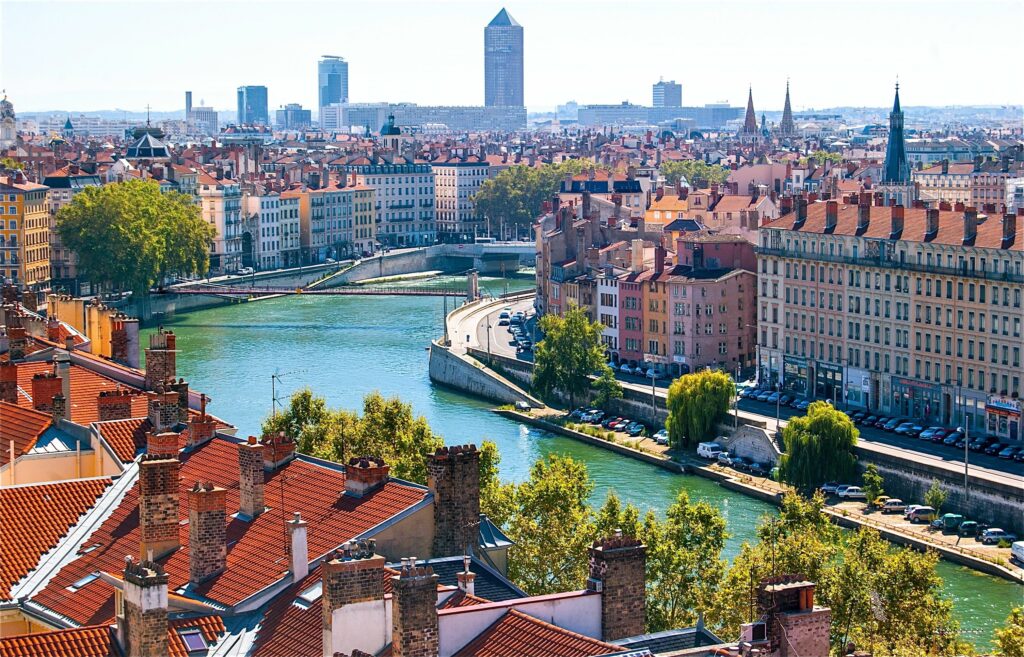


The south-west, sunshine, a large student population and affordable French classes.
Let’s go
Create your au pair profile, it’s free, and we will call you back to frame your project.



Become a host family
Become an a pair
Fill in the form to get contacted by our team and learn more about how we can assist you. We’re here to answer all your questions and provide the support you need.