


Become a host family
Become an a pair
🇫🇷 France
You want to be an au pair in France: learn the language, live with a family and fund your stay. Here are the real requirements, what you receive, what is expected of you and the steps to take, with no fluff.
au pairs supported
nationalities welcomed
on Trustpilot, over 240 reviews
French agency since
The essentials
Four key figures are enough to tell whether the programme is right for you. They apply to every candidate, whatever their nationality.
of stay, extendable up to two years
of childcare per week, at most
of pocket money per month, on average
private bedroom at least, with a window
The French legal framework
Your stay is based on an agreement signed between you and the family. Childcare hours, pocket money, days off, French classes: the conditions are the same for everyone, whatever your nationality. Only the entry formalities depend on your home country.
You are registered with the French general social security scheme and with the supplementary pension fund for employees of private households. Contributions are paid by the family, not by you. They are calculated on a flat-rate basis, not on an actual salary. Your private supplementary insurance, which covers repatriation and civil liability in particular, is also paid for by the family.
Where to live in France
The rules are national: they do not change from one region to another. What changes is your daily life: transport, the choice of French classes and the number of families looking for an au pair in the area.

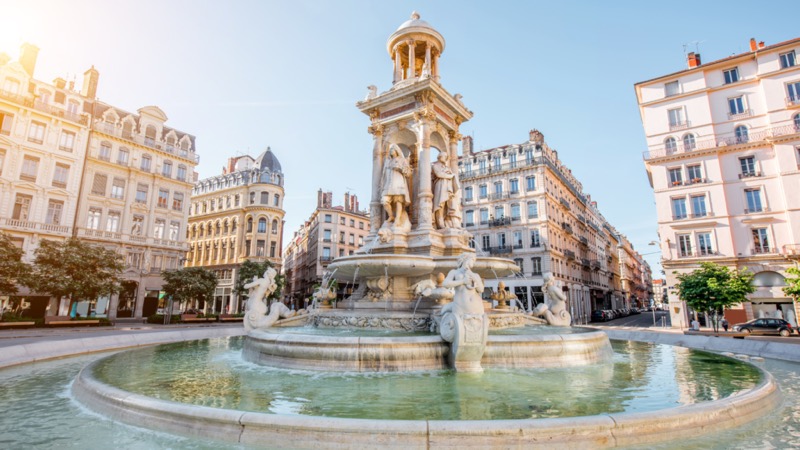
The largest number of host families, and French classes on every corner. Public transport means you do not need a driving licence, which is often required elsewhere.
Île-de-France
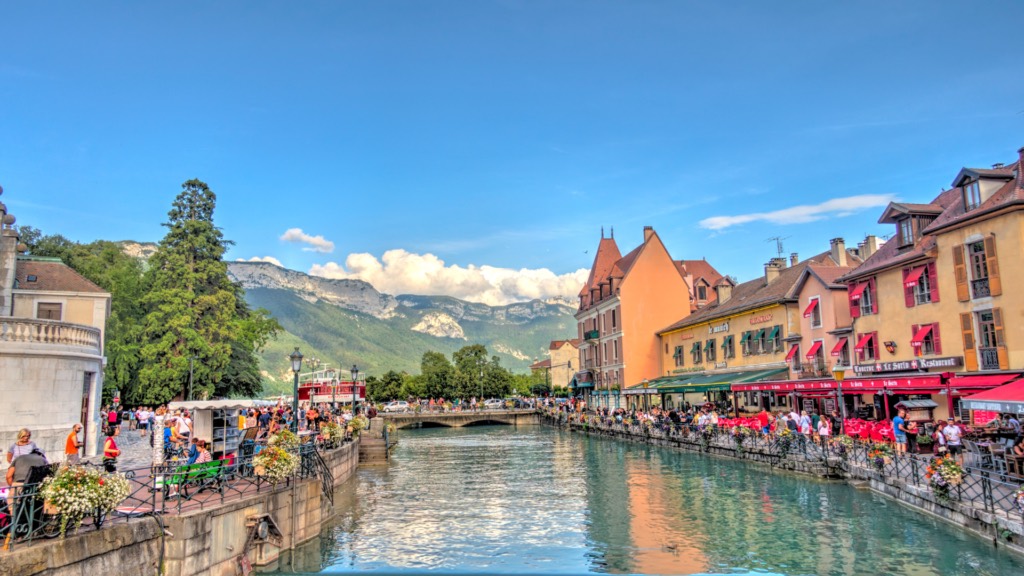
A student city with plenty of language classes and short trips between home and school. The Alps are two hours away.
Auvergne-Rhône-Alpes
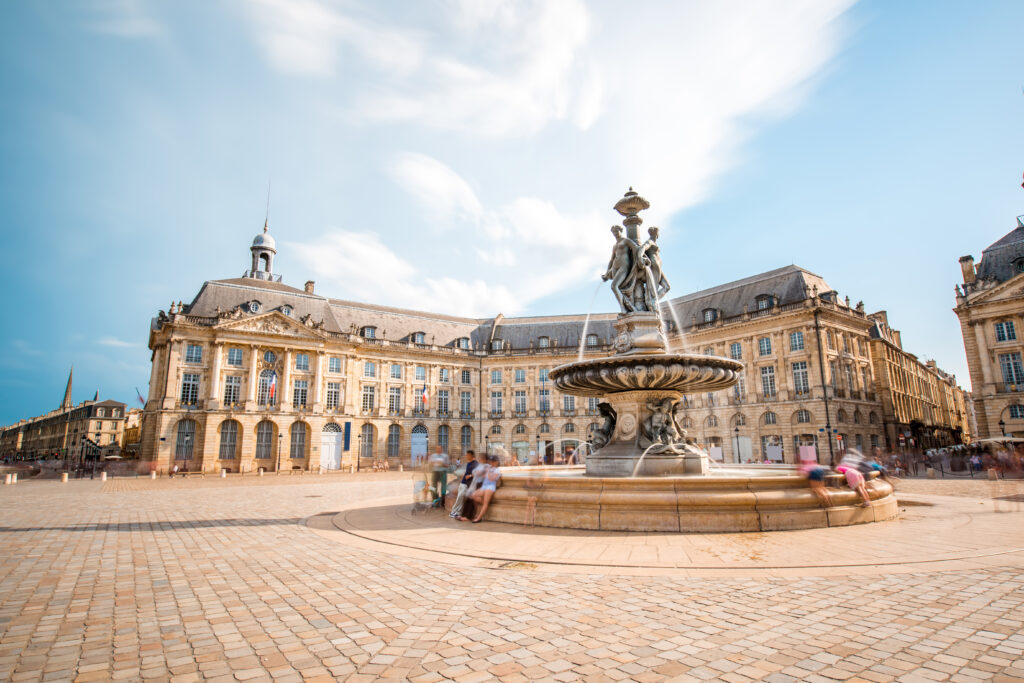
A city on a human scale, French classes at the university and a centre you can get around without a car. The ocean is an hour away.
Nouvelle-Aquitaine
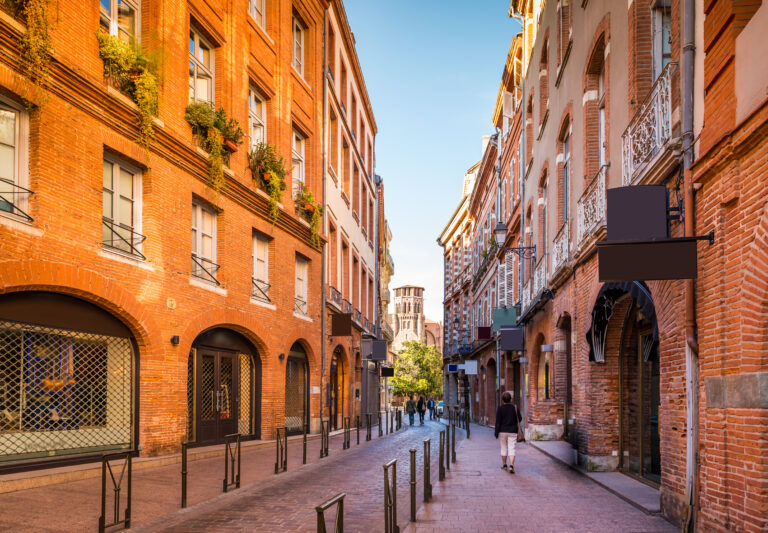
A large student population, accessible classes and a climate that lets you go out with the children for much of the year.
Occitanie
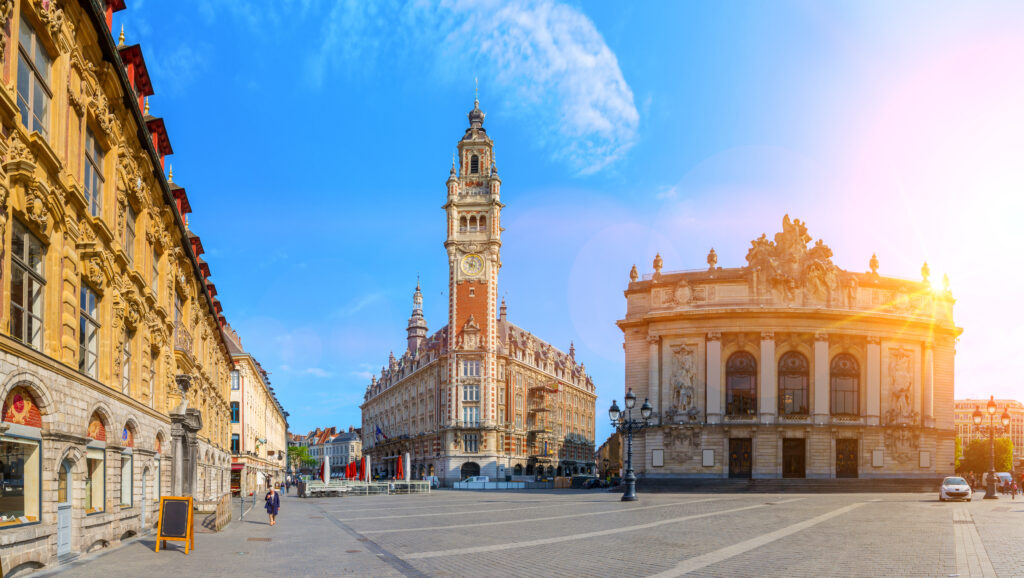
On the doorstep of Belgium and Northern Europe. Brussels and London are less than two hours away by train.
Hauts-de-France
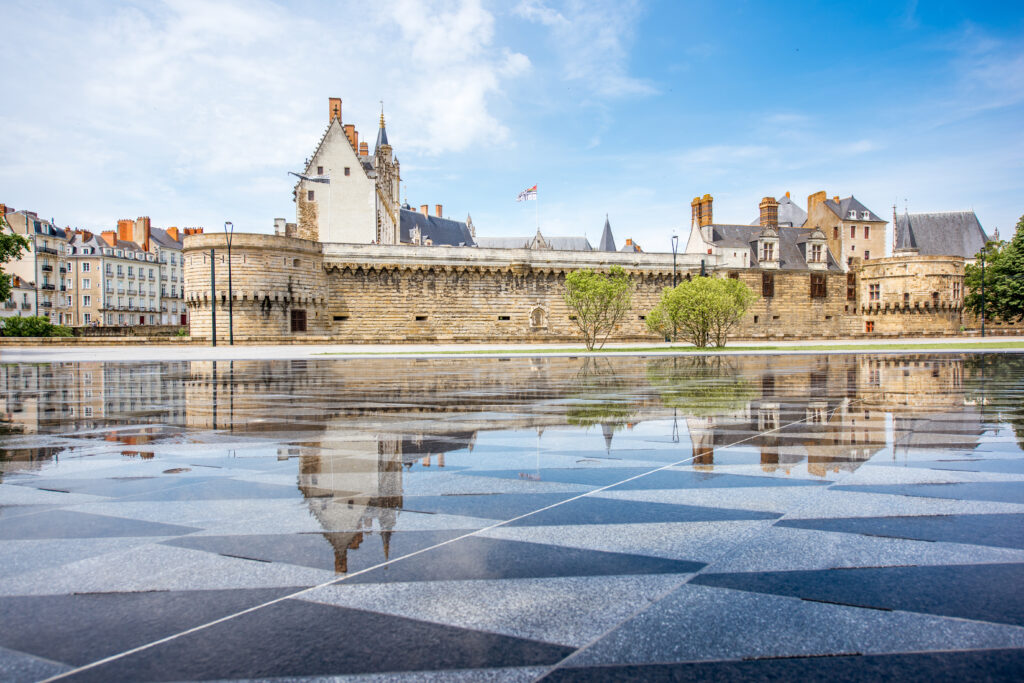
A young, compact city where everything is done by tram or bike. School runs are rarely an issue.
Pays de la Loire
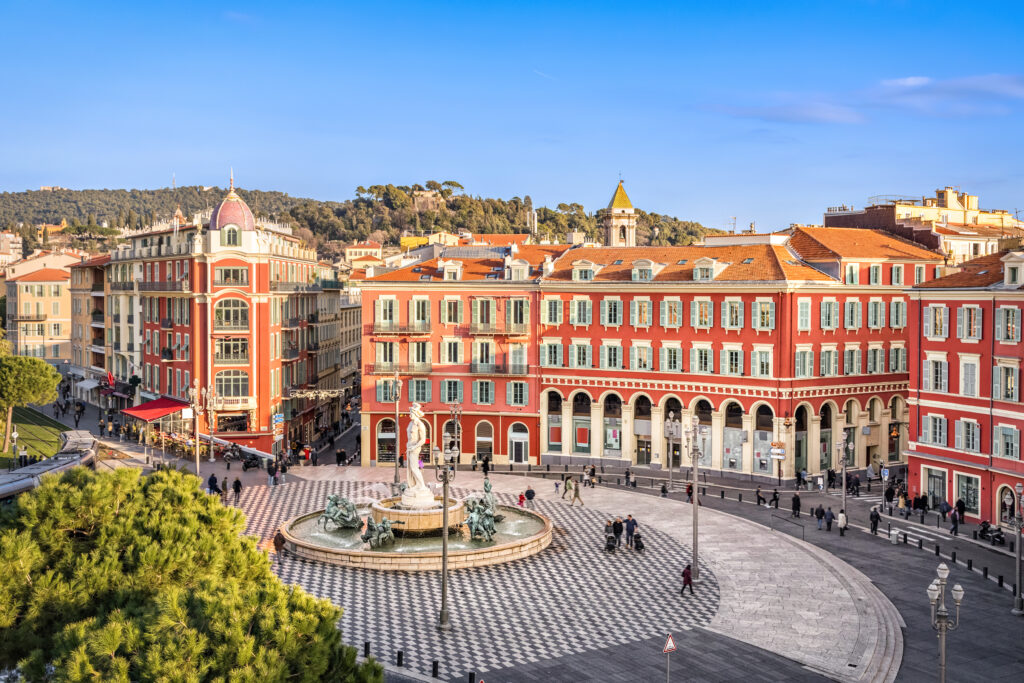
The most requested destination among candidates. The point to watch is housing: the 9 m² room is harder to come by there.
Provence-Alpes-Côte d’Azur
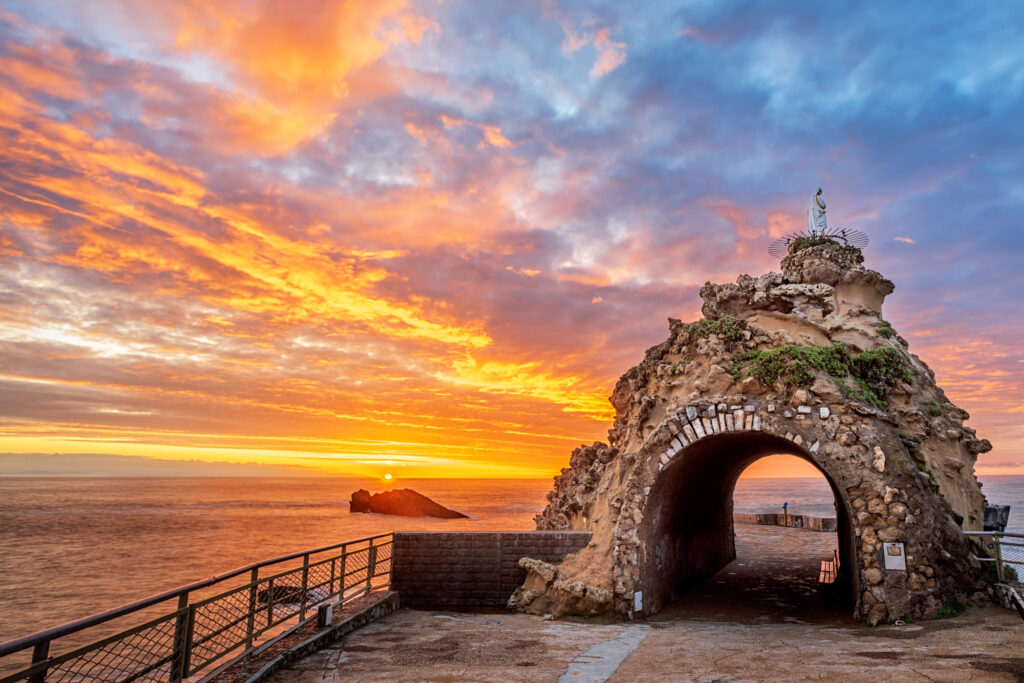
The Basque coast, the ocean and a stay often aligned with the school year, outside the peak season.
Basque Country
You can be an au pair in the mountains, in the countryside, by the sea or in the city: the country has enough climates for everyone to find what suits them. The Côte d’Azur, Brittany, Alsace, the Alps, the Basque Country and the Lyon area regularly welcome au pairs.
Being an au pair in Paris attracts the most applications, but that is not always where places open up fastest. Aiming for a mid-sized city often shortens the wait.
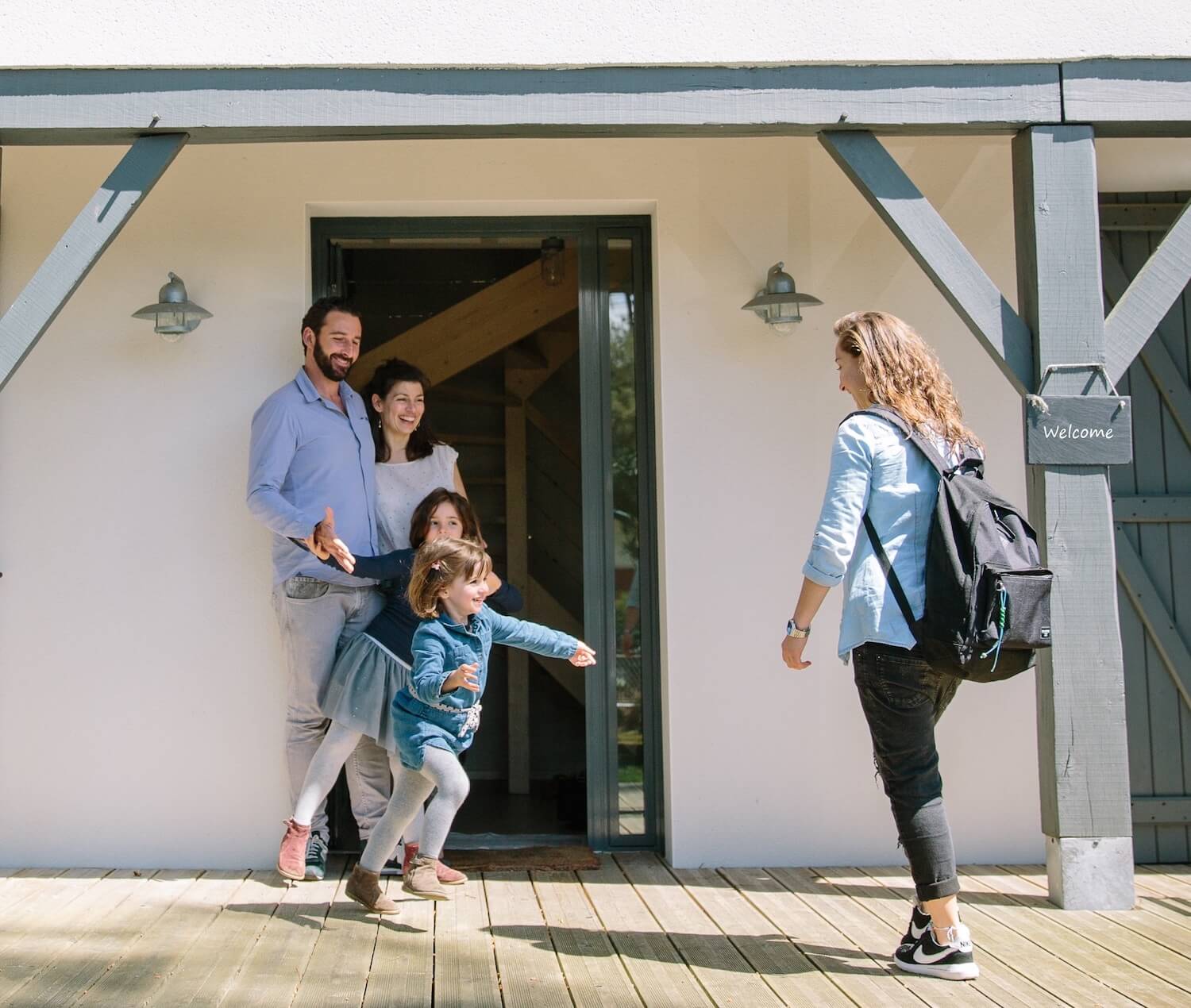
That is the case for most candidates, and it is not a problem. Families contact us from cities and the countryside alike, from Paris flats to seaside houses. The framework is national and your social security cover is the same everywhere: only the competent prefecture changes, the one where the family lives.
Are you eligible
Three sets of criteria, covering your profile, your application file and your starting budget. They follow from the framework described above.
Families choose between two packages, Premium and Premium+, both part of our Privilège offer. Premium+ is for families looking for an au pair who holds a driving licence, is comfortable in English and already has childcare experience. If you tick all three boxes, highlight them in your profile from the start.
What you receive
An au pair stay is not a job: it is an exchange. Here is what the family pays for, and what remains your responsibility.
Your duties
This is the main source of misunderstanding in an au pair stay. The framework is clear, but you still need to have read it before signing.
French families
Nobody writes it down anywhere, yet it is what makes or breaks a stay. These four traits come up in almost all the feedback we receive, from both sides.
A French family appreciates a proactive, organised au pair. Taking the lead on snack time or homework, without being asked, counts for more than perfect French.
House rules are not negotiated with the children. You are expected to uphold them the way the parents do, not to invent your own.
During time spent with the children, the phone stays away. It is the number one source of friction, and the one that is resolved fastest if it is discussed beforehand.
Dinner is eaten together. That is where your French improves fastest, and it is also what families expect from an au pair stay rather than from childcare alone.
Your steps
We do not do the paperwork for you: we do it with you, form by form.
You create your au pair profile and upload your documents: ID, medical certificate, criminal record, references. It is free.
We introduce you to families whose plans match yours. You talk by video call before any decision.
Hours, pocket money, days off, French classes: everything is written down and signed before you leave.
If your nationality requires it, you apply for a long-stay visa from your home country, with the agreement as supporting document. We prepare the file with you.
Enrolling in classes, opening a bank account, transport and, if needed, validating your visa and then applying for a residence permit.
Who supports you
We do not describe the au pair programme from the outside: we lived it, on both sides, before making it our profession.

Co-founder of Butrfly
She studied in Mexico, where she lived with a host family, and founded Butrfly in 2019 with Anne-Claire. A mother of two girls, she hosts au pairs in her own home: the advice on this page comes from everyday life, not from a brochure.
Frequently asked questions
Between 18 and 30. You also need to be single, with no dependent children, and have some first experience with children.
€400 per month on average, paid by the family. The amount does not depend on your nationality: the rules are the same for everyone. Board and lodging come on top of this amount.
It depends on your nationality. When a visa is required, it is a long-stay visa, to be obtained before you arrive from your home country, with the agreement signed by the family. We prepare the file with you.
Creating your profile is free. Our packages, from certification to support throughout your stay, are detailed on our pricing page. Board, lodging, pocket money, social security and private insurance are paid by the family.
Twenty-five hours per week at most, whatever your nationality. You get at least one full day off per week, including at least one Sunday a month. No other job is allowed alongside.
We recommend setting aside €1,500 before you leave. This covers your ticket, your application costs, the first weeks before your first pocket money payment, and the unexpected. You spend nothing on housing or food once there.
A basic level is enough to apply. Once there, your French classes are included in the agreement, and the family adapts your schedule so you can attend them.
Anything to do with the children and everyday home life: taking them to school, playing with them, tidying their room, making breakfast. You are neither a childcare professional nor a housekeeper: deep cleaning, gardening and caring for elderly people are out of scope.
From three months to one year. It can be extended with a new agreement, up to a total of two years at most. The length is set from the start, in the contract between you and the family.
Other destinations
The programme exists in about a dozen countries, each with its own rules. Still hesitating? Compare.
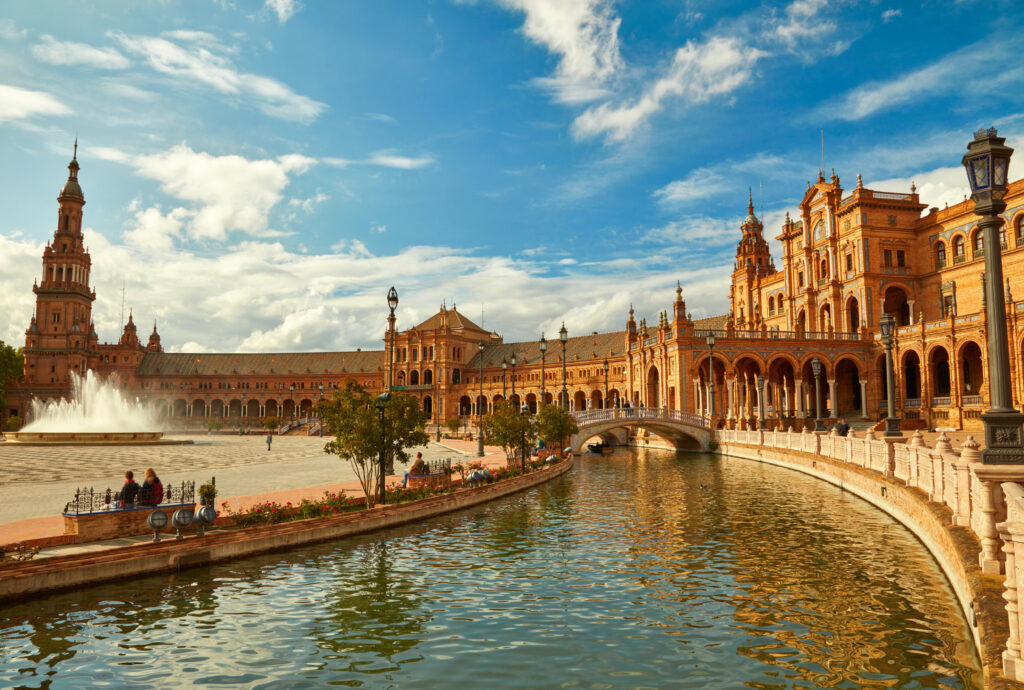
No visa, tickets from €80 and a language you pick up quickly.
European Union · no visa

English with no visa, an hour and a half by plane. They drive on the left.
European Union · no visa

The most regulated and demanding programme: 40 hours, a driving licence and experience.
J-1 visa · €150

Wide open spaces, a working holiday visa and the chance to travel afterwards.
Working holiday · €380
Let’s go
Create your au pair profile, it is free, and we will call you back to plan your project.


Become a host family
Become an a pair
Fill in the form to get contacted by our team and learn more about how we can assist you. We’re here to answer all your questions and provide the support you need.